
We live in a city that never sleeps. Karachi is vibrant, fast-paced, and full of energy. But between managing crazy Shahrah-e-Faisal traffic, meeting work deadlines, and keeping up with social commitments, there’s one thing we often push to the bottom of our to-do list: our health.
Many of us only visit a doctor when we are down with a high fever or experiencing unbearable pain. However, waiting for symptoms to appear is a risky game. In a bustling metropolis like Karachi, regular health check-ups aren’t a luxury—they are a necessity.
Many serious health conditions, such as hypertension (high blood pressure), type 2 diabetes, and even certain types of cancers, are “silent killers.” They can develop in your body for years without showing a single symptom.
Regular blood tests and screenings catch these issues early, long before they turn into life-threatening emergencies. Detecting a disease in its initial stages makes treatment much easier, less invasive, and far more effective.
Let’s face it—living in Karachi comes with its own set of environmental challenges.
Routine check-ups help monitor how your body is coping with these daily environmental factors.
A common excuse for skipping the doctor is the cost. However, think of regular check-ups as a financial investment.
Routine blood work or a consultation fee is significantly cheaper than the cost of emergency hospitalization, intensive surgeries, or lifelong management of a chronic illness that went unnoticed. Prevention is always lighter on the wallet than a cure.
A regular check-up gives you a baseline of your health. When you visit a doctor annually or bi-annually, they can track changes in your body over time. This allows them to give you personalized advice on your diet, exercise, and lifestyle habits tailored specifically to what your body needs.
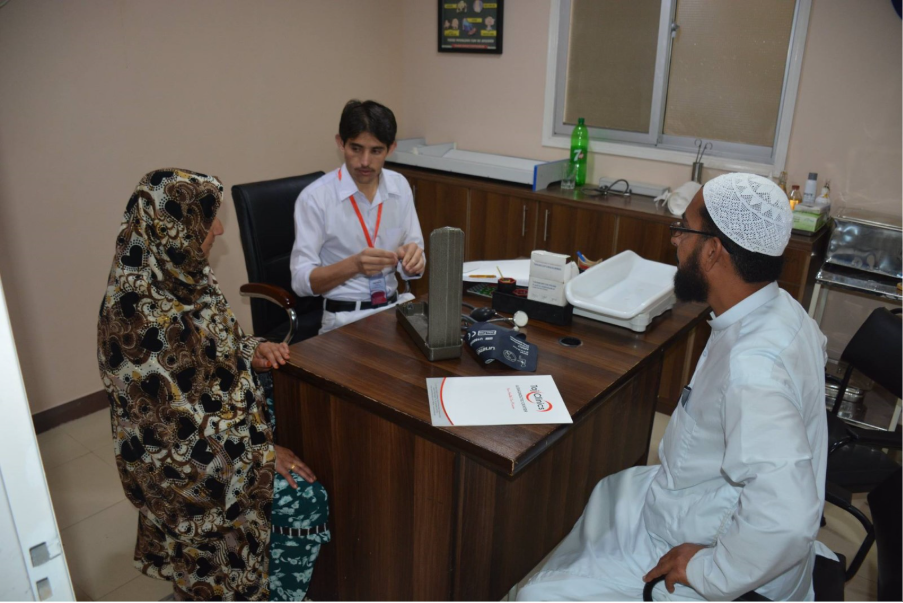

Your Trusted Partner for Expert Consultations and Advanced Diagnostics.
Signup our newsletter to get update information, news, insight or promotions. Email